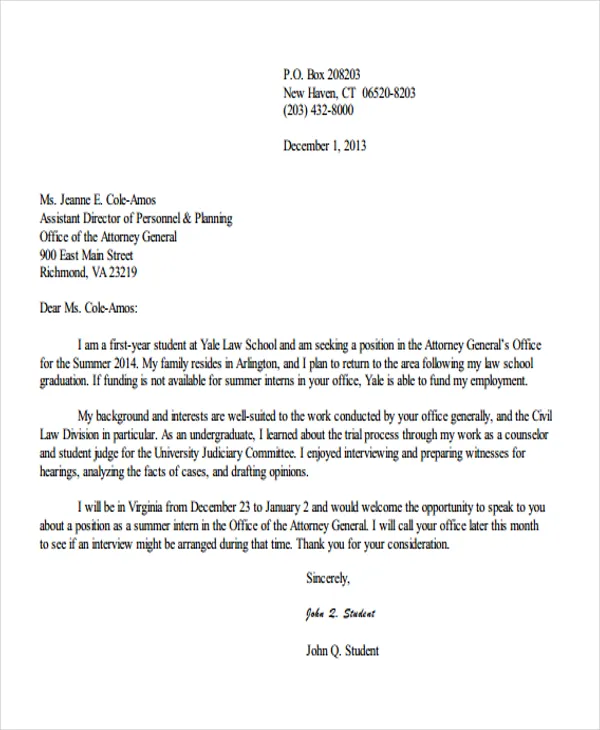
What is a Harvard Law Cover Letter?
A Harvard Law cover letter is a crucial component of your application, serving as your initial introduction to the admissions committee or potential employers. It’s a formal document that accompanies your resume and other application materials, providing a detailed overview of your qualifications, experiences, and aspirations. Unlike a resume, which offers a concise summary of your achievements, a cover letter enables you to elaborate on your skills, motivations, and reasons for pursuing legal studies at Harvard Law School. It provides an opportunity to showcase your personality, writing abilities, and unique perspectives, making you stand out from other applicants.
Why Is a Cover Letter Important for Harvard Law?
A well-crafted cover letter is indispensable for your Harvard Law application for several reasons. Firstly, it allows you to provide context to your application. Admissions committees review a large number of applications, and your cover letter helps them understand the narrative behind your resume. It allows you to connect the dots between your past experiences, present goals, and future aspirations, illustrating why you are a strong candidate for their program. Secondly, it demonstrates your writing and communication skills. Clear, concise, and persuasive writing is essential in the legal profession, and your cover letter serves as a sample of your abilities. A compelling letter highlights your attention to detail, analytical skills, and capacity to articulate your thoughts effectively. Lastly, a cover letter provides a personal touch, allowing you to express your passion for law and your specific interest in Harvard Law School.
Cover Letter Structure for Harvard Law Applications
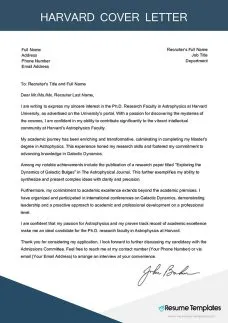
A well-structured cover letter is easy to read and effectively conveys your message. It generally comprises several key elements, starting with the header, followed by the opening paragraph, body paragraphs, and a concluding paragraph. Each section has a specific purpose, contributing to the overall impact of your letter. The header includes your contact information and the date, along with the recipient’s details. The opening paragraph introduces you and states your purpose, clearly indicating the position or program you are applying for. Body paragraphs allow you to expand on your qualifications, skills, and experiences, providing supporting details and examples. The closing paragraph summarizes your interest and reiterates your enthusiasm, and concludes with a call to action, such as requesting an interview.
Header of Your Cover Letter
The header sets the stage for your cover letter and includes essential contact details. Place your full name, address, phone number, and email address at the top left or right corner of the page. Ensure your contact information is current and professional. Below your contact information, include the date on which you are sending the letter. Then, below the date, add the recipient’s information, including their name, title, and the address of Harvard Law School or the specific organization you are contacting. This section creates a professional appearance and facilitates easy communication.
Your Contact Information
In the header, your contact information must be accurate and professional. Use a professional-sounding email address. Double-check that your phone number is correct and that your voicemail greeting is appropriate. Your mailing address should also be up-to-date. The header provides an immediate point of contact, enabling the admissions committee or potential employers to reach you without difficulty. Accuracy in this section demonstrates your attention to detail and professionalism, which are highly valued in legal settings.
Date and Recipient Information

The date on the cover letter indicates when you submitted the application, providing a reference point for the recipient. Below the date, address the recipient appropriately. If you are applying to a specific position, research the hiring manager’s name and title, addressing them directly. For a law school application, address your letter to the admissions committee or a specific admissions officer, if possible. Using the recipient’s name adds a personal touch and shows that you have taken the time to research the institution or organization. This step demonstrates your initiative and attention to detail, creating a favorable first impression.
Opening Paragraph for Harvard Law Cover Letters
The opening paragraph is your first opportunity to capture the reader’s attention and make a strong impression. Begin by clearly stating your purpose. Indicate the position or program you are applying for and how you learned about the opportunity. Then, provide a brief statement summarizing your key qualifications and your enthusiasm for the position or program. This opening paragraph should be concise, engaging, and demonstrate your genuine interest. Avoid generic openings; instead, craft a statement that highlights your unique qualities and motivates the reader to continue reading.
Expressing Interest and Purpose
In the opening paragraph, clearly state your purpose for writing the cover letter. Identify the specific role or program you are applying for. For a Harvard Law School application, mention the specific degree program you are interested in, such as a Juris Doctor (JD) or a Master of Laws (LLM). Indicate where you found out about the opportunity – whether it was through the school’s website, a faculty member, or another source. This clarity helps the reader quickly understand the context of your letter and what you are hoping to achieve by applying.
Highlighting Relevant Experiences

The opening paragraph should give a glimpse of your relevant experiences. Briefly mention key qualifications that align with the requirements of the position or program. Include skills that make you a good fit. For a Harvard Law application, you might mention relevant academic achievements, work experience, or extracurricular activities that demonstrate your interest in law and your ability to succeed in a rigorous academic environment. Provide a sense of the experiences you will elaborate on in the following paragraphs.
Body Paragraphs Detailing Skills and Achievements
The body paragraphs are the core of your cover letter, where you provide detailed information about your qualifications. Each paragraph should focus on a specific skill, experience, or achievement that supports your application. Use the STAR method (Situation, Task, Action, Result) to structure your responses. Start by describing the situation you were in, then outline the task you needed to accomplish, explain the actions you took, and, finally, highlight the positive results or outcomes of your efforts. Use examples from your academic, professional, or extracurricular experiences to illustrate your skills and demonstrate your potential for success at Harvard Law.
Tailoring Your Letter to the Role or Opportunity
Customize your cover letter to align with the specific requirements and expectations of the role or program you are applying for. Review the job description or application guidelines carefully. Identify the key skills and experiences they are looking for, and highlight your relevant qualifications accordingly. Make sure your cover letter reflects your understanding of Harvard Law School’s mission and values. Demonstrate how your goals align with the institution’s objectives. Use specific examples to show that you have the qualities the admissions committee or employer is seeking. This tailoring demonstrates that you are a good fit and that you have taken the time to understand the opportunity.
Quantifying Accomplishments for Impact

Use specific metrics and numbers to quantify your accomplishments and make them more impactful. Rather than stating that you “improved sales,” mention the percentage by which you increased revenue or the number of new clients you acquired. For example, you might say, “Increased client acquisition by 30% within one year.” Include numbers in your cover letter, which demonstrates your achievements and makes it easy for the reader to understand the scope and impact of your contributions. Specific data can help showcase your achievements. Quantifying your accomplishments adds credibility and strengthens your case.
Showcasing Leadership and Teamwork Skills
Highlight your leadership and teamwork skills, as these are essential qualities in the legal profession. Share specific examples of how you have led teams, managed projects, or contributed to collaborative efforts. Describe your role, the challenges you faced, and the strategies you used to overcome them. Emphasize your ability to work effectively with others, communicate clearly, and make sound decisions. Harvard Law values candidates who can lead and contribute to a diverse and dynamic environment. Showcase your ability to work effectively in a team environment.
Closing Paragraph for Harvard Law Cover Letters
The closing paragraph of your cover letter should reiterate your interest in the position or program and thank the reader for their time and consideration. Reiterate your enthusiasm for the opportunity and express your eagerness to contribute. Make sure you clearly state your appreciation for the reader’s time. Your closing should reflect professionalism and courtesy, leaving a positive and lasting impression. A well-written closing paragraph helps to summarize your key points and reinforces your qualifications, leaving the reader with a positive impression.
Reiterating Interest and Thanking the Reader

In the closing paragraph, restate your strong interest in the position or program at Harvard Law. Summarize your key qualifications and reiterate why you are a good fit. Thank the reader for taking the time to review your application and for their consideration. Express your gratitude for the opportunity to apply and to be considered. This final step reinforces your enthusiasm and appreciation, and also leaves a positive impression on the reader.
Call to Action
Conclude your cover letter with a clear call to action. State your desire for an interview or the next step in the application process. For example, you might say, “I am eager to discuss my application further in an interview.” This direct approach signals your enthusiasm and encourages the reader to proceed. It also provides a smooth transition to the next phase. End with a professional closing, such as “Sincerely” or “Respectfully,” followed by your typed name.
Proofreading and Editing Your Cover Letter
Proofreading and editing are essential steps in the cover letter writing process. Carefully review your cover letter for any grammatical errors, spelling mistakes, and typos. Ensure your writing is clear, concise, and error-free. A polished and well-written cover letter demonstrates your attention to detail and professionalism. Have a friend or career advisor review your cover letter as a second pair of eyes to catch any mistakes you may have missed. Proofreading ensures a professional and polished document.
Common Mistakes to Avoid in Your Harvard Law Cover Letter

Avoid common mistakes that can undermine your application. These include generic cover letters that are not tailored to the specific opportunity. Also avoid excessive length. Keep your cover letter concise and focused. Do not make negative statements about previous employers or experiences. Present yourself positively and emphasize your strengths. Finally, avoid grammatical errors, typos, and inconsistencies in formatting. Correct any errors before submitting your letter. Making these mistakes could make your application less competitive.
Formatting and Style Tips
Use a professional font and formatting style. Choose a standard font such as Times New Roman or Arial. Ensure consistent font size and spacing throughout the document. Use clear and concise language. Write in a professional tone, avoiding slang or casual language. Break up long paragraphs. Use short paragraphs to improve readability. Proofread your cover letter. Correct any errors before submitting your letter. Use formatting to enhance readability and professionalism.
Cover Letter Examples and Templates for Harvard Law
Review cover letter examples and templates to guide your writing. Search for examples of cover letters that have successfully secured positions or admissions offers at Harvard Law. Use these examples to understand the structure, tone, and content of effective cover letters. Adapt the best parts of these examples to your own application. Tailor the templates to your individual experiences and qualifications. By using examples and templates you gain insights into the expectations of Harvard Law and create a compelling cover letter.