Understanding the Challenge of Little Experience
Landing your dream job with little professional experience can feel like navigating a maze. Many entry-level applicants face the daunting task of crafting a cover letter that showcases their potential despite a limited work history. It’s a common hurdle, but it’s far from insurmountable. The key is to shift your focus from what you haven’t done to what you can do. A well-crafted cover letter becomes your primary tool to bridge the experience gap. It’s your chance to demonstrate your suitability, highlight your relevant skills, and express your enthusiasm for the opportunity. By strategically emphasizing your strengths, you can position yourself as a compelling candidate, even without an extensive resume.
Why Cover Letters Matter for Entry-Level Roles
In the competitive landscape of entry-level job applications, a cover letter is more than just a formality; it’s a powerful tool to differentiate yourself. While your resume provides a snapshot of your qualifications, the cover letter allows you to tell a story. It provides context, explains your motivations, and illustrates your personality, all of which can be critical when you have limited professional experience. It is an opportunity to connect your skills and experiences to the specific requirements of the job. It also serves as a window into your communication style, critical thinking, and your understanding of the role and the company. A well-written cover letter shows your commitment and willingness to go the extra mile, setting you apart from applicants who might have simply submitted a resume.
Highlighting Transferable Skills

When direct experience is scarce, transferable skills become your most valuable asset. These are skills you’ve acquired in other contexts – academic projects, volunteer work, extracurricular activities, or even personal endeavors – that are applicable to the job you’re applying for. Transferable skills demonstrate your ability to learn, adapt, and contribute, even without a long work history. Identifying and effectively communicating these skills is key to making your cover letter stand out.
Identifying Your Skills
The first step is to recognize your skill set. Make a list of your abilities, both hard and soft. Hard skills are teachable abilities or skill sets that are easily quantified, such as proficiency in software programs or data analysis. Soft skills are interpersonal abilities and include communication, teamwork, problem-solving, and time management. Think about projects you’ve completed, roles you’ve held, and challenges you’ve overcome. What did you learn? What skills did you use? Were you a leader in a project? Did you have to manage your time effectively? Did you improve your writing skills? The aim is to build a comprehensive list to use in your cover letter.
Focusing on Achievements
Rather than just listing your responsibilities, focus on what you achieved. Instead of saying, “Managed social media accounts,” try, “Increased social media engagement by 30% through targeted content and strategic posting.” Quantify your achievements whenever possible. Did you improve a process? Did you save time or money? Did you receive any awards or recognition? Use the STAR method (Situation, Task, Action, Result) to structure your examples, providing context, detailing the actions you took, and emphasizing the positive outcomes of your efforts. This method helps showcase your skills and demonstrates how you can make a valuable contribution to the company.
Showcasing Your Passion and Enthusiasm

Enthusiasm can be a powerful tool, especially when experience is limited. A cover letter is an excellent platform to express your genuine interest in the company and the role. Show your eagerness to learn, to contribute, and to grow within the organization. This passion demonstrates your drive and commitment, signaling to the hiring manager that you’re a motivated individual. It shows your prospective employer that you are more than just a candidate on paper and that you genuinely desire the role.
Expressing Genuine Interest in the Company
Go beyond generic statements. Research the company, understand its mission, values, and recent initiatives. Show how your skills and interests align with the company’s goals. Mention specific projects, products, or aspects of the company that resonate with you. This demonstrates that you’ve put in the effort to understand the organization and that you’re not just sending out a mass application. Showing that you are genuinely invested in the role shows you’re invested in the company, which is a huge plus when little experience is present.
Tailoring Your Letter to the Job
The more customized your cover letter is, the stronger it will be. Read the job description carefully and identify the key requirements and desired qualifications. Then, tailor your letter to directly address these needs. Use the same keywords and phrases from the job description where appropriate, and highlight how your skills and experiences align with the employer’s expectations. Even if you are using a template, it is crucial to tailor the letter to reflect the specific role and company. Generic cover letters rarely succeed in getting you an interview.
Formatting and Presentation

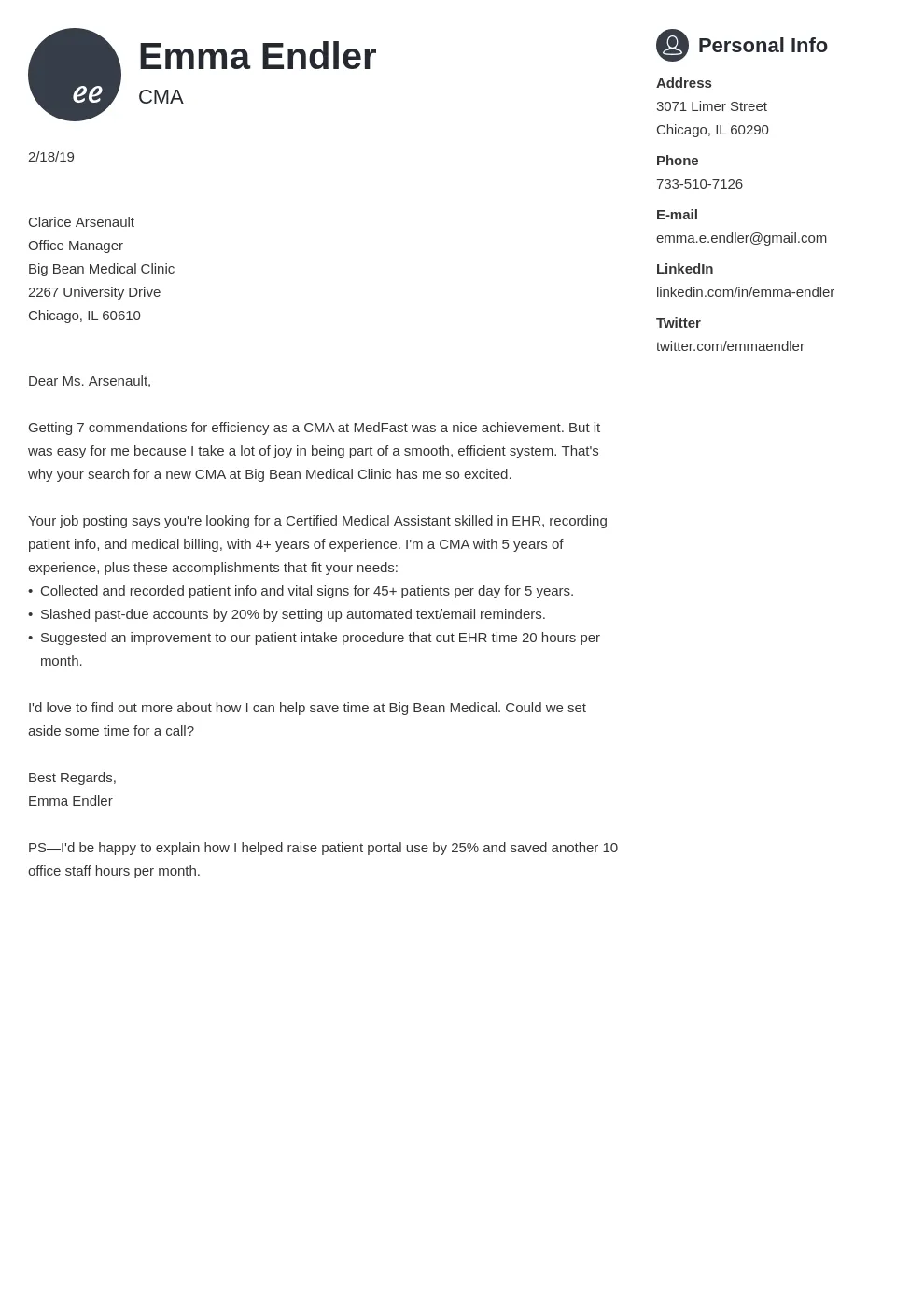
A well-formatted cover letter demonstrates professionalism and attention to detail. Keep the layout clean and easy to read. Use a standard font like Times New Roman, Arial, or Calibri, and ensure the font size is between 10 and 12 points. Use clear headings and bullet points to break up large blocks of text, making it easier for the hiring manager to scan your letter. Ensure your letter is concise, typically no more than one page. The overall goal is to present a polished and professional image.
Choosing the Right Tone
The tone of your cover letter should be professional but also reflect your personality. Be enthusiastic and engaging, but avoid overly casual language or slang. Address the hiring manager by name if possible, and always use a polite and respectful tone. Your goal is to strike a balance between professionalism and approachability, demonstrating your eagerness to work for the company while maintaining a professional demeanor.
Proofreading and Editing
Before submitting your cover letter, meticulously proofread and edit it. Typos, grammatical errors, and awkward phrasing can undermine your credibility. Read your letter aloud to catch any errors, and consider using grammar and spell-checking tools. Ideally, have a friend, family member, or career advisor review your letter for clarity and accuracy. A polished, error-free cover letter demonstrates your attention to detail and your commitment to presenting yourself professionally.
The Power of a Strong Closing

The closing of your cover letter is your last chance to make a positive impression. It should reiterate your interest in the position and express your enthusiasm for the opportunity. It should also include a clear call to action.
Call to Action and Next Steps
End your cover letter with a strong call to action. Express your availability for an interview and reiterate your interest in the role. Include your contact information, such as your phone number and email address, so the hiring manager can easily reach you. Thank the hiring manager for their time and consideration. A clear call to action and a professional closing statement will encourage the hiring manager to take the next step and contact you for an interview.
Where to Find More Resources
There are numerous resources available to help you craft a compelling cover letter. Online job boards often provide templates and guides. Career websites offer articles and advice on cover letter writing. Consider reaching out to career services at your school or university for personalized feedback. Networking with professionals in your field can also provide valuable insights and guidance. Using these resources will help you stand out, even with little experience, and increase your chances of getting your dream job.